


.jpg)

.jpg)
.JPG)
.jpg)
.jpg)
_看图王.jpg)




Why Cabinet Care Matters
Kitchen cabinets are the hardest-working surfaces in the home: they absorb steam from cooking, oil droplets from the stovetop, fingerprints from daily use and moisture swings from dishwashers and kettles. A well-built cabinet can last 15–20 years, but only if the finish and edges are looked after. The good news is that proper care takes minutes a week—and most finish damage we see in service comes from a handful of avoidable habits.
The Weekly Routine (5 Minutes)
Wipe with a damp microfiber cloth using warm water and one drop of mild dish soap; follow immediately with a dry cloth so no water sits on the surface
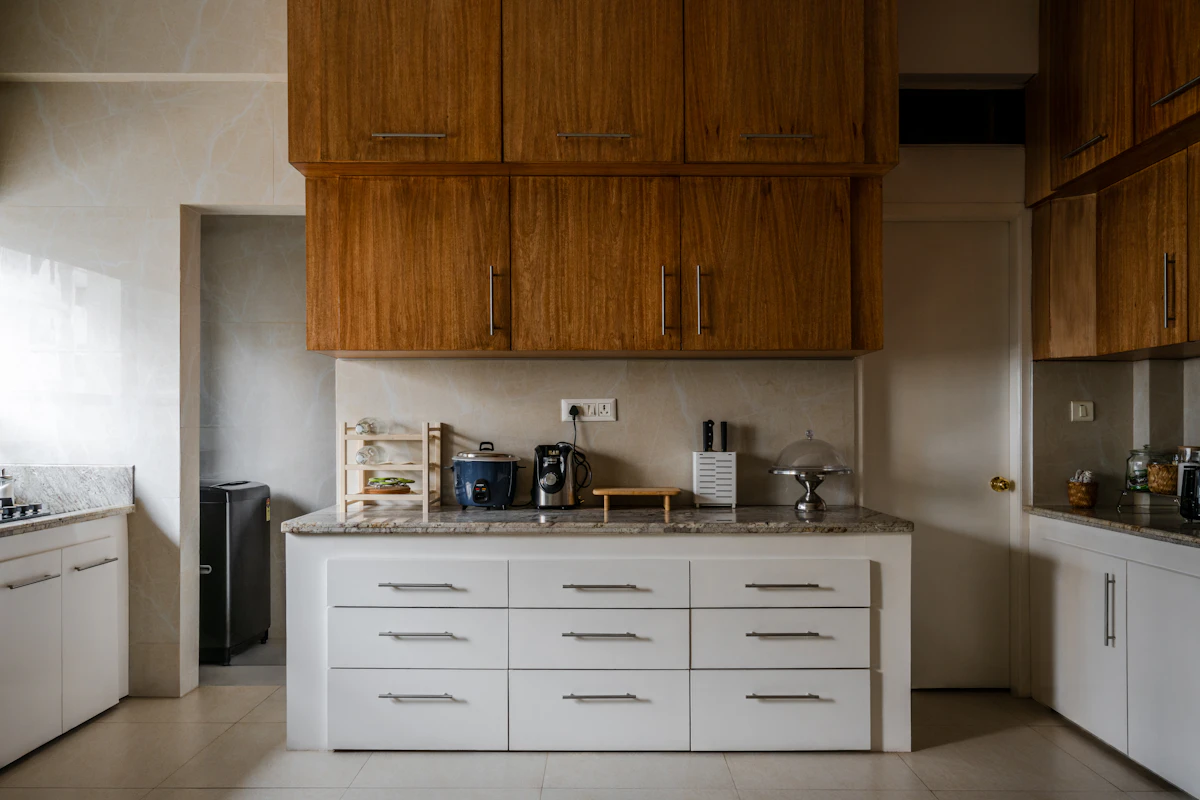
Wipe in the direction of the grain on wood and veneer doors to avoid micro-scratching the coating
Spot-clean handles and around them—skin oils near pulls slowly dull paint and lacquer faster than anywhere else
Check the sink base: this cabinet sees the most moisture; dry the edges of the countertop cutout and the door top edge every week
Safe Cleaners by Finish Type
| Finish | Safe | Avoid | Notes |
|---|---|---|---|
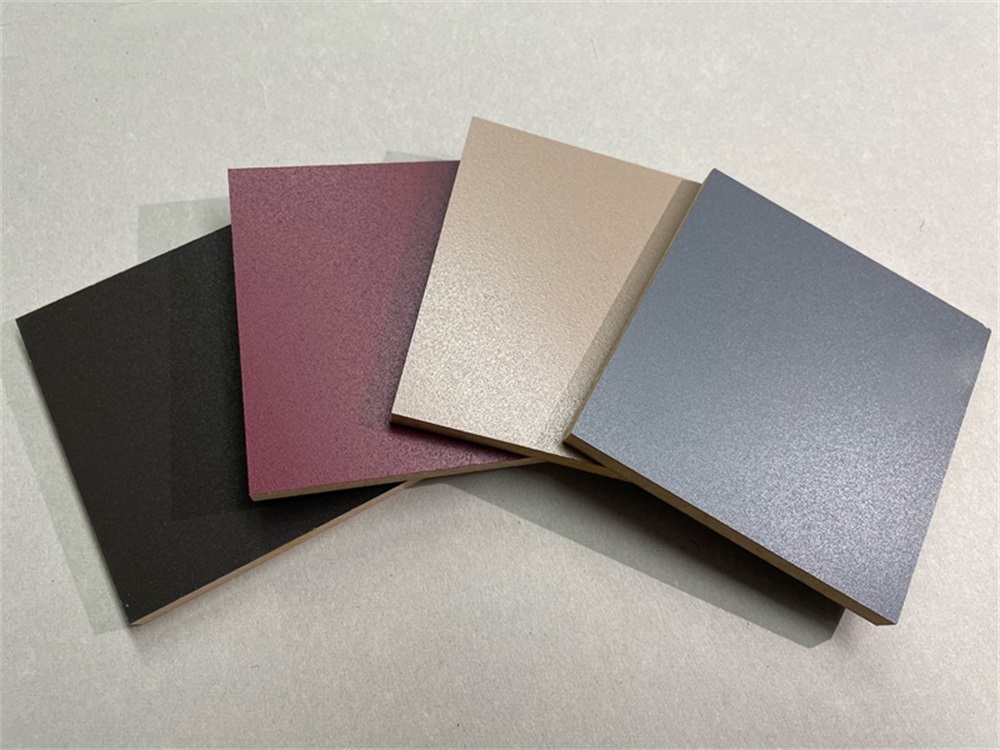
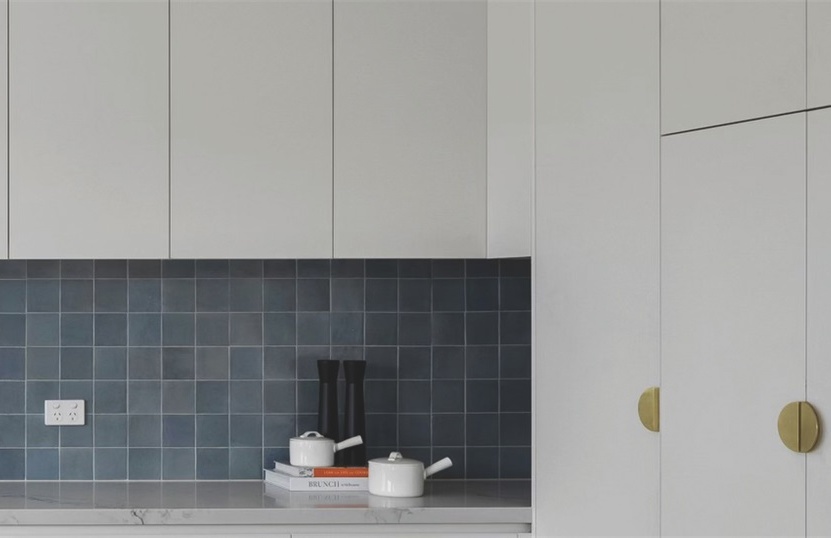
| Painted (lacquer / UV paint) | Mild soapy water, diluted all-purpose cleaner | Abrasives, magic-eraser pads, ammonia | Matte paints show scuffs more; use foam sparingly and rinse |
| Thermofoil / membrane | Damp microfiber, gentle soap | Heat guns, solvents, steam cleaners | Heat can reactivate adhesive and cause peeling at edges |
| Wood veneer | Wring-damp cloth, wood-safe cleaner | Soaking wet cloths, silicone polish | Water must never pool on edges—swelling starts there |
| Solid wood | Damp cloth, wood cleaner, occasional wax per maker | Bleach, dishwasher "cleaning hacks" | Expect natural tone shifts; sun-side doors fade more |
| Glass and aluminum frames | Glass cleaner sprayed onto cloth, never the seam | Spraying liquid directly at panel joints | Liquid in the seam wicks into the panel core |
Grease Removal Near the Stove
Grease films build fastest on doors and drawer fronts beside the cooktop. Attack them weekly, not monthly:
Wipe first with warm soapy water to lift dust—that dust is what turns grease into a dull haze
Use a 1:1 mix of white vinegar and water on a cloth for stubborn film; never pour it on the door
Rinse with a clean damp cloth and dry immediately—vinegar left to sit can haze some lacquers
For baked-on spots, hold a warm (not hot) damp cloth against the spot for a minute, then wipe; scraping or steel wool will cut through the finish
Five Habits That Prevent Damage
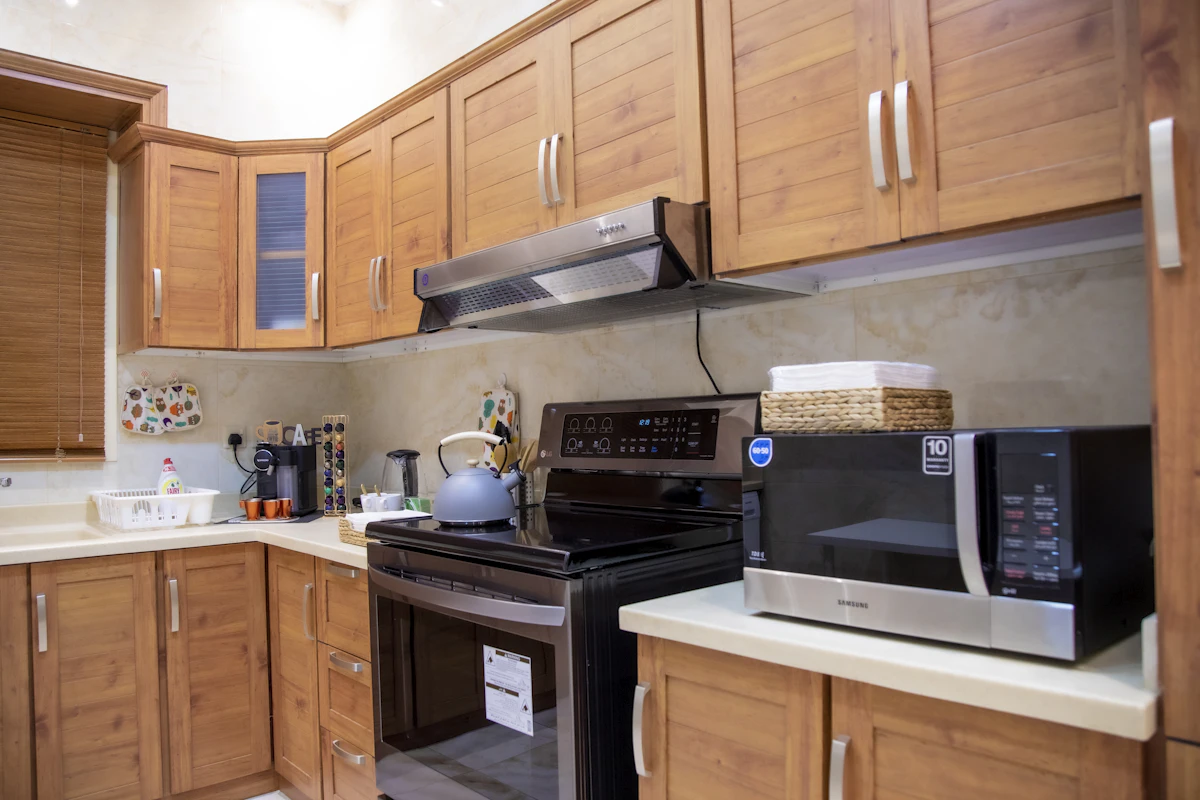
Run the range hood when cooking and a few minutes after—less steam and oil reaching the doors means fewer cleanings
Fix dripping hinges and leaking sinks fast; a slow leak under the sink is the number-one cause of swollen cabinet bottoms
Keep dishwasher steam off nearby doors: let it finish venting before opening next to a cabinet run, and wipe condensation off the facing panel
Do not drape wet towels over doors—hours of trapped moisture will telegraph through most finishes
Adjust hinges seasonally: one turn on the adjustment screw keeps doors aligned so edges close fully instead of rubbing
Quick Care Checklist
Weekly: damp microfiber wipe, dry immediately, spot-clean around handles
Monthly: degrease stovetop-adjacent doors, check under-sink cabinet, inspect door edges for swelling
Quarterly: tighten hinge and pull screws, check soft-close function, touch up chips with maker-approved filler
Yearly: hinge adjustment pass, review sun-fade on window-facing doors, consider re-oiling solid wood per manufacturer guidance
Bottom Line
Cabinet care is mostly about moisture discipline and gentle, regular cleaning. Match the cleaner to the finish, never let water sit, and handle grease near the stove weekly. Buyers evaluating cabinets for long-term performance should also weigh how serviceable the finish is—a well-chosen finish plus five minutes of weekly care is what turns a 10-year kitchen into a 20-year one.